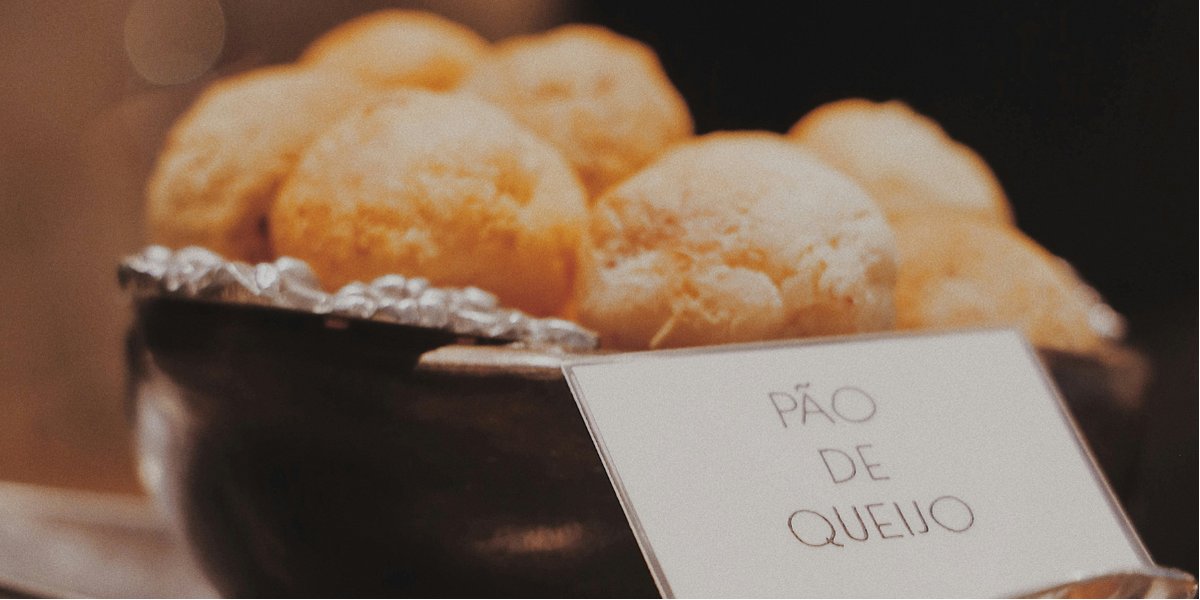
Feijoada, a slow-cooked black bean and pork stew, is about as close to a national dish as Brazil gets. It's especially associated with Saturday meals in places like Rio de Janeiro. But don't stop there. Try pão de queijo, the chewy little cheese breads you'll find at breakfast and throughout the day, then head to a churrascaria for grilled meat served by weight. And when you're ready for a drink, order a caipirinha made with cachaça, lime and sugar.
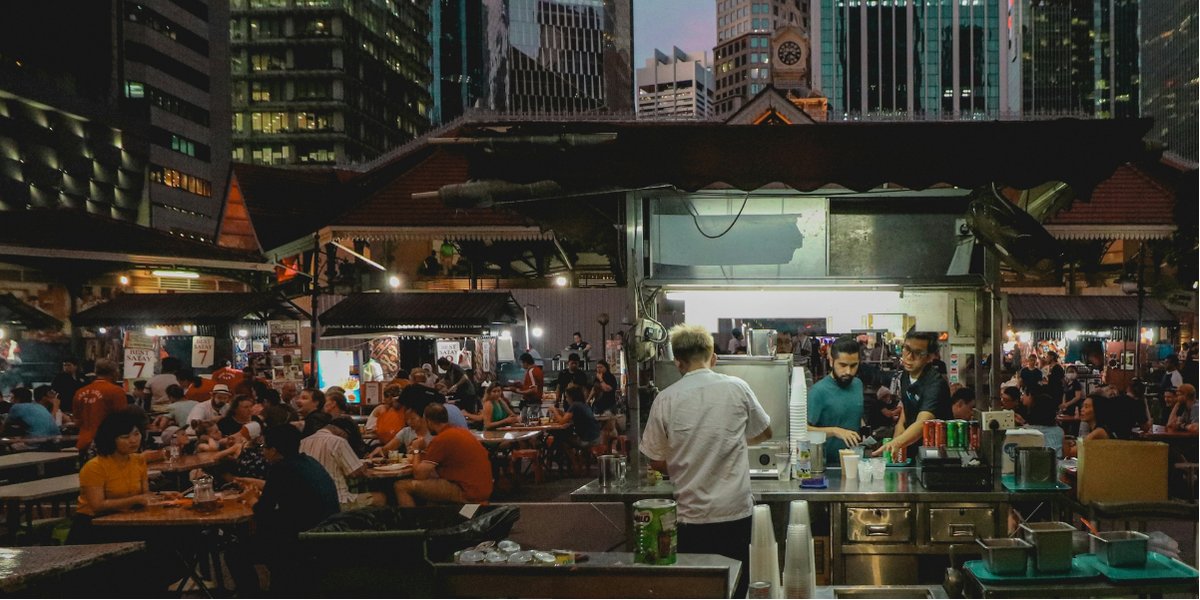
Singapore is one of those places where you can eat extremely well without sitting down at a fancy restaurant. The reason is the hawker centre. These casual food halls are packed with stalls serving everything from chicken rice to laksa, often for just a few Singapore dollars. Some stalls specialise in one or two dishes and have been doing it for years. For coffee, skip the usual order and try kopi instead. Ask for kopi-o or kopi-c depending on how you like it.
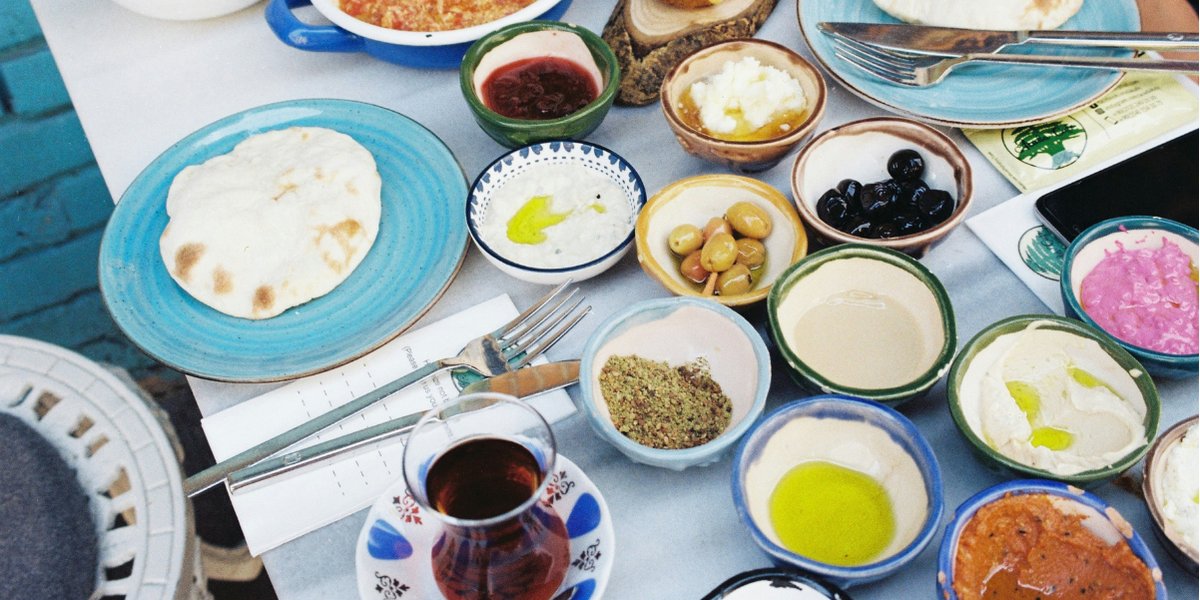
Istanbul is the kind of city where you can spend the whole day eating without ever having the same kind of meal twice. Grab a simit from a street vendor in the morning, stop for a köfte sandwich later, then sit down for a long selection of meze in the evening. Finish with baklava and a glass of çay, the black tea that is deeply woven into everyday Turkish life.
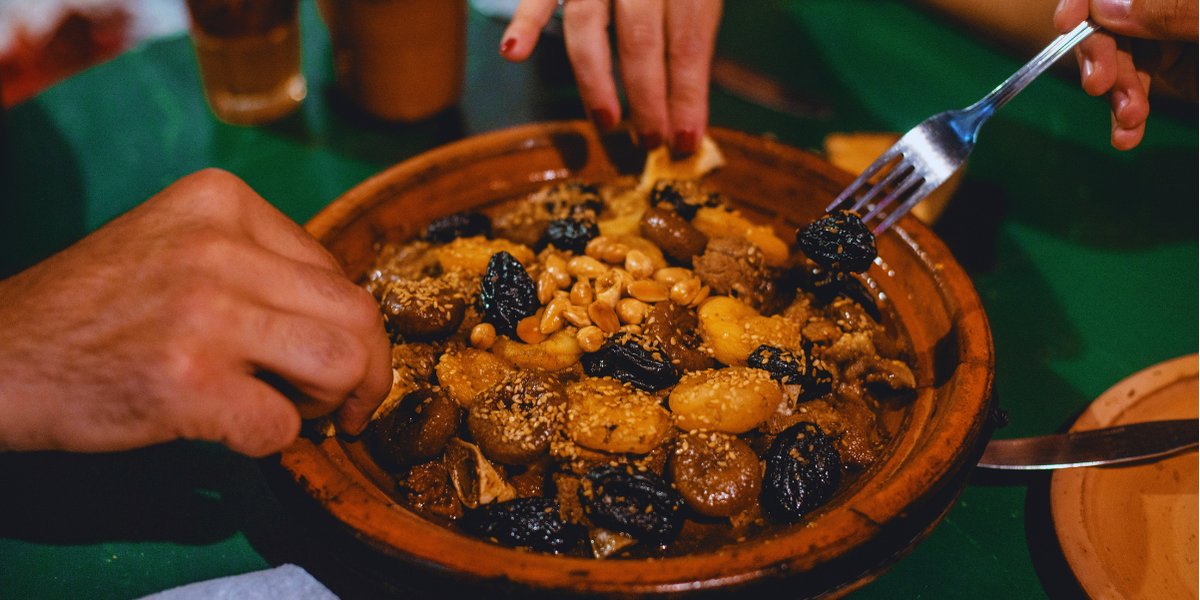
A tagine, slow-cooked meat or vegetables prepared in a distinctive cone-shaped clay pot, is probably the dish most associated with Morocco. But the real fun starts when you leave the restaurant. Wander through the medinas, follow the smell of spices, pick up fresh bread from a communal oven and try msemen, a flaky, pan-fried flatbread often eaten for breakfast. And wherever you stop for tea, order mint tea. The dramatic pour from a height is part of the tradition, not just a photo opportunity.
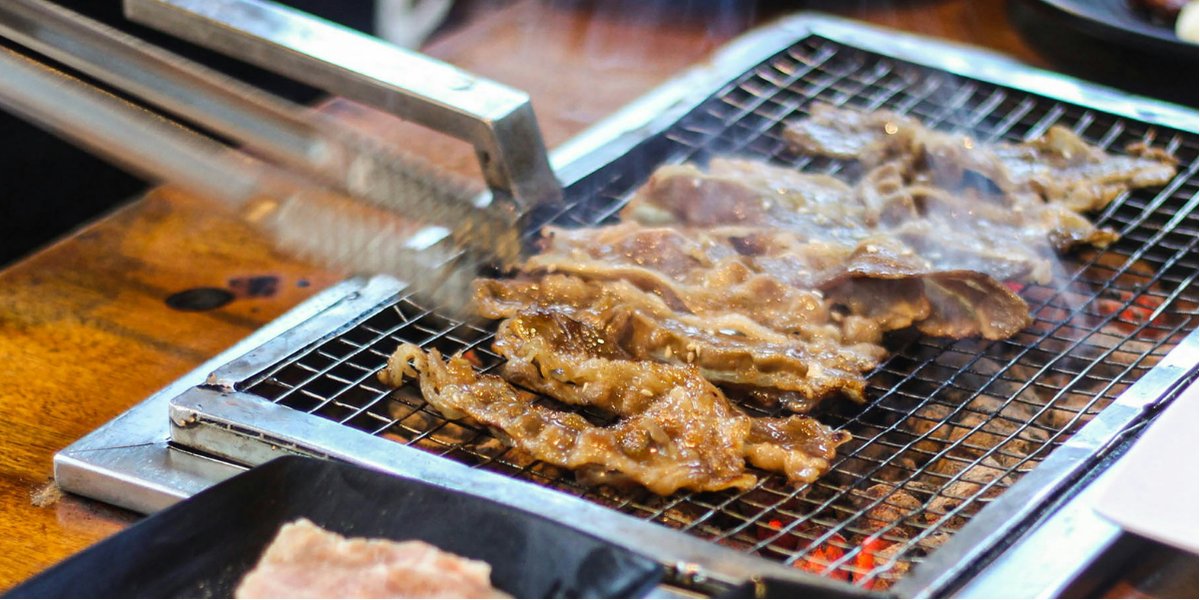
Korean food is at its best when it's shared. At a Korean BBQ restaurant, you'll cook galbi or samgyeopsal right at the table, surrounded by small side dishes called banchan, with kimchi almost always somewhere in the mix. Many restaurants offer additional portions of banchan at no extra charge. Add a bottle of soju, one of Korea's most popular alcoholic drinks, and you've got one of the country's most recognisable social dining experiences.