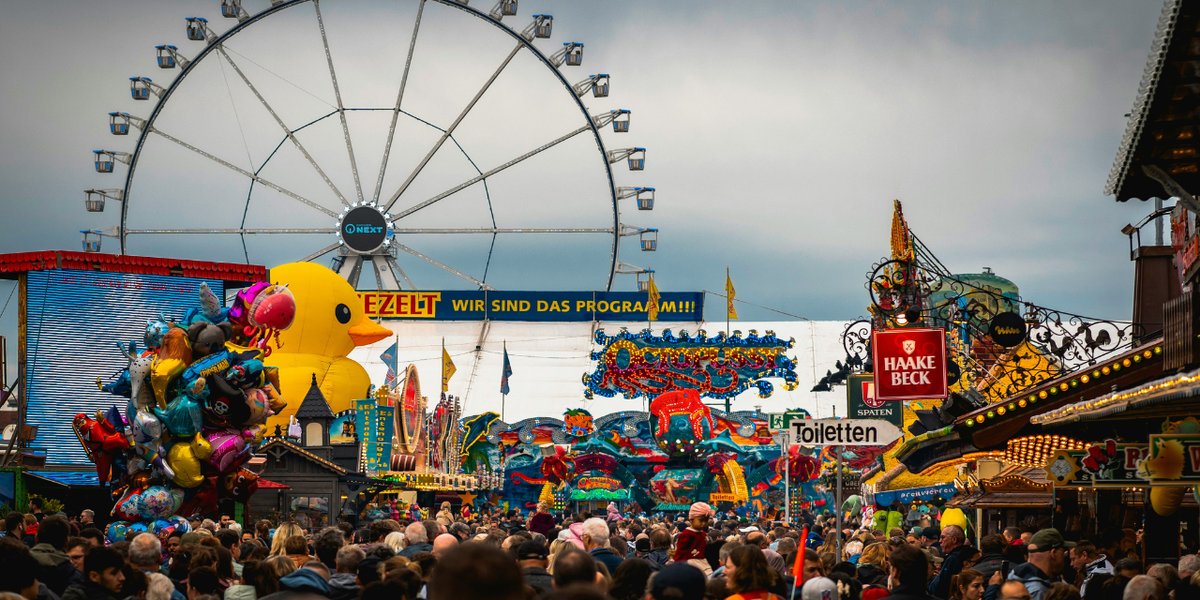
Oktoberfest is the world's largest folk festival, and the scale is hard to understand until you're actually there. Giant beer tents, brass bands, Bavarian costumes, fairground rides and millions of visitors spread across 16 days. Some of the largest tents can hold thousands of people at once, which is exactly why the atmosphere feels more like a temporary city than a beer festival.
And it's not just about drinking. There are traditional parades, live music, food stalls and rides, all happening around the tents.
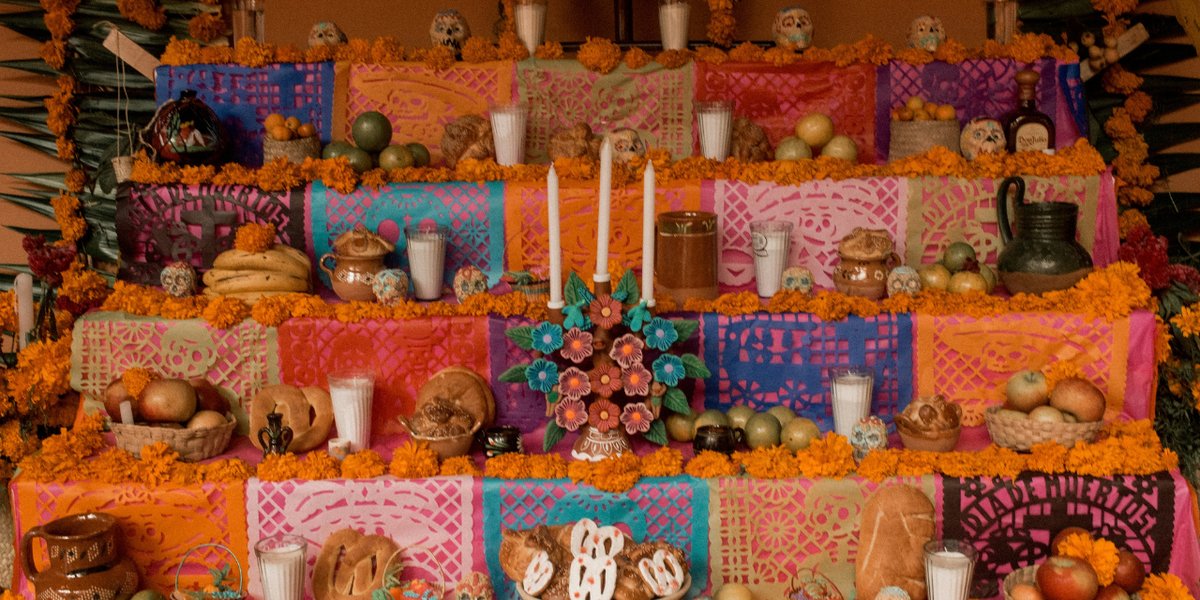
Día de los Muertos, or Day of the Dead, is less about mourning and more about remembering the people who are no longer here. Families create ofrendas, or home altars, with photographs, candles, food and things their loved ones enjoyed in life. Bright orange cempasúchil flowers, Mexico's traditional marigolds, are everywhere, from family homes to cemeteries.
In Oaxaca, the celebration becomes part of everyday life for several days. Families decorate their homes and graves, cemeteries fill with flowers and candles, and local food becomes part of the celebration. Different towns have their own traditions, so there isn't one single way to experience Día de los Muertos.
Mexico City adds a much more public side to the celebration, with large-scale decorations, cultural events and its famous Día de Muertos parade. If you want the big, spectacular version, Mexico City makes sense. If you want something more rooted in local traditions, Oaxaca is the better choice.
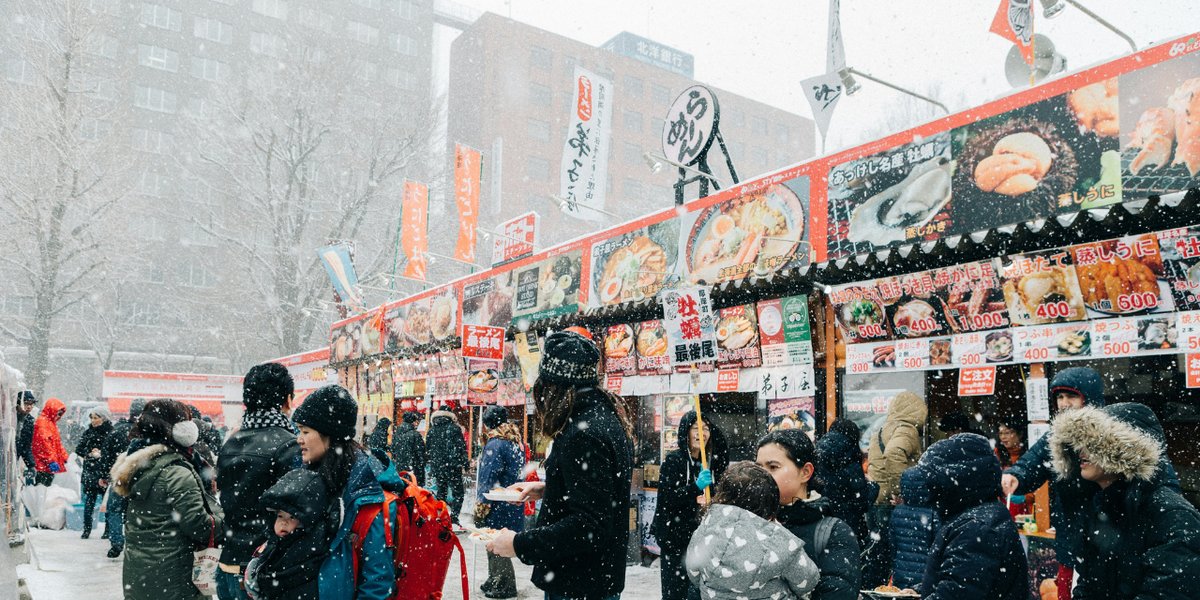
For one week every February, Sapporo turns into something that looks slightly unreal. Huge snow sculptures take over Odori Park, ice sculptures line the streets of Susukino, and the whole thing is lit up after dark. Some of the main sculptures are several stories high, while smaller ones range from local creations to elaborate international entries.
The festival is spread across three different sites, so it's not really something you see in an afternoon and leave. Odori is the main event, Susukino is all about illuminated ice sculptures, and Tsudome is more activity-focused, with snow slides and other winter attractions.
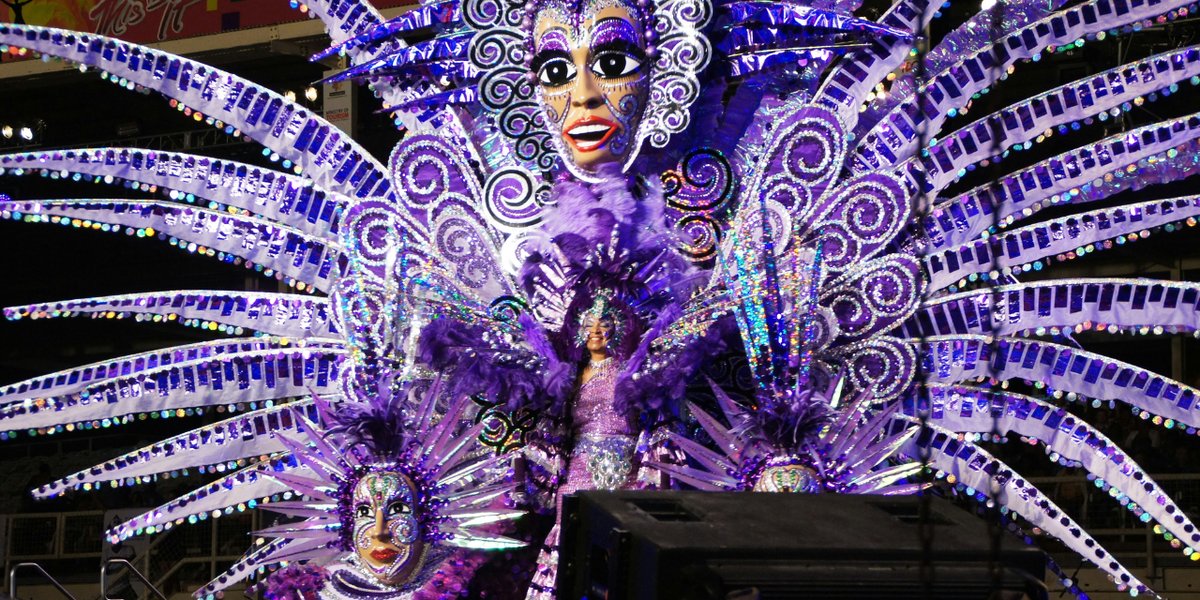
Rio Carnival is one of those events that completely takes over the city. Samba schools bring enormous floats, elaborate costumes and thousands of performers to the Sambadrome, the city's huge purpose-built parade venue, while blocos, street parties with live music and dancing, take over neighbourhoods across Rio.
The main Sambadrome competition happens over three nights, February 7-9, but the wider Carnival runs from February 5 through Ash Wednesday on February 10. So you can build the trip around the parade and still spend the rest of the time chasing blocos around the city.
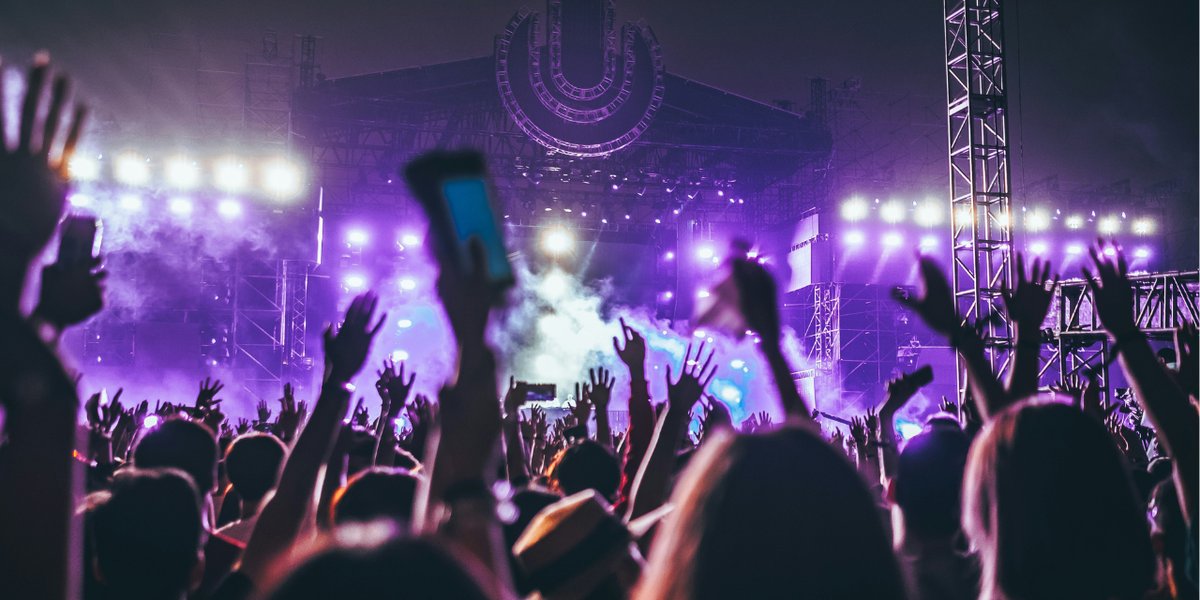
Ultra turns downtown Miami into three days of electronic music, with the stages set up right at Bayfront Park overlooking Biscayne Bay. But the festival is only part of the reason to come. It takes place during Miami Music Week, when clubs, venues and promoters across the city put on events almost every night.
The festival itself runs March 26-28, 2027. General Admission is 18+, while VIP areas are 21+.