(with 2026 advice)
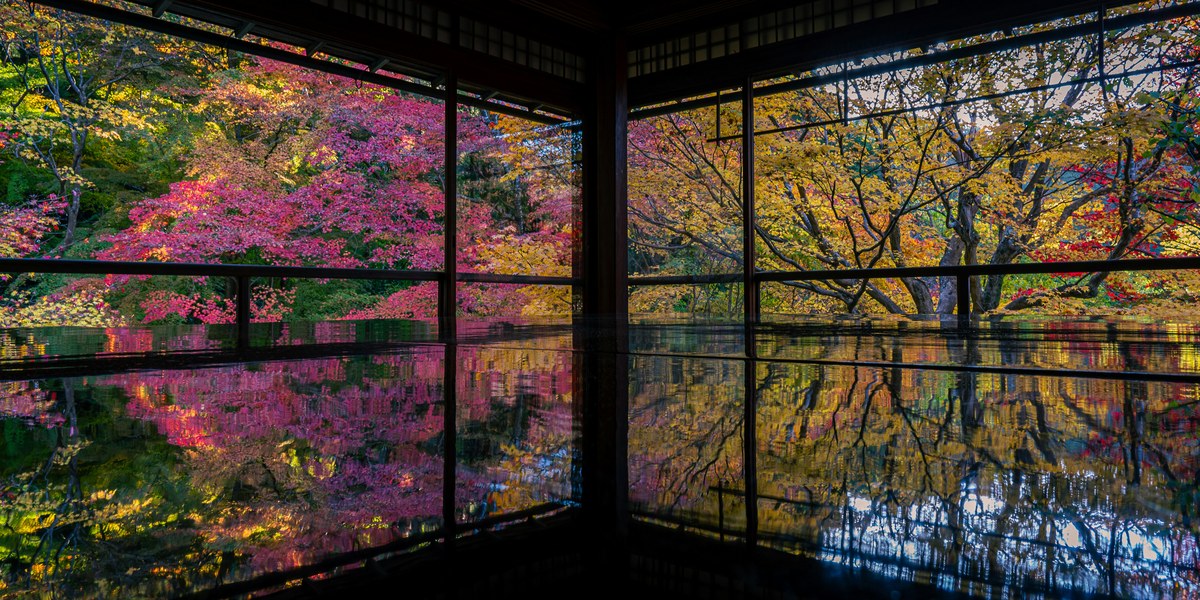
Most Japan in autumn content shows a photo of Kyoto and calls it a day. But autumn colour doesn't arrive everywhere at once. It starts in the coldest and highest parts of the country, then gradually moves south and down into the cities. And if your dates are fixed, where you go matters more than simply going to Japan in autumn. October and November can give you completely different versions of the country.
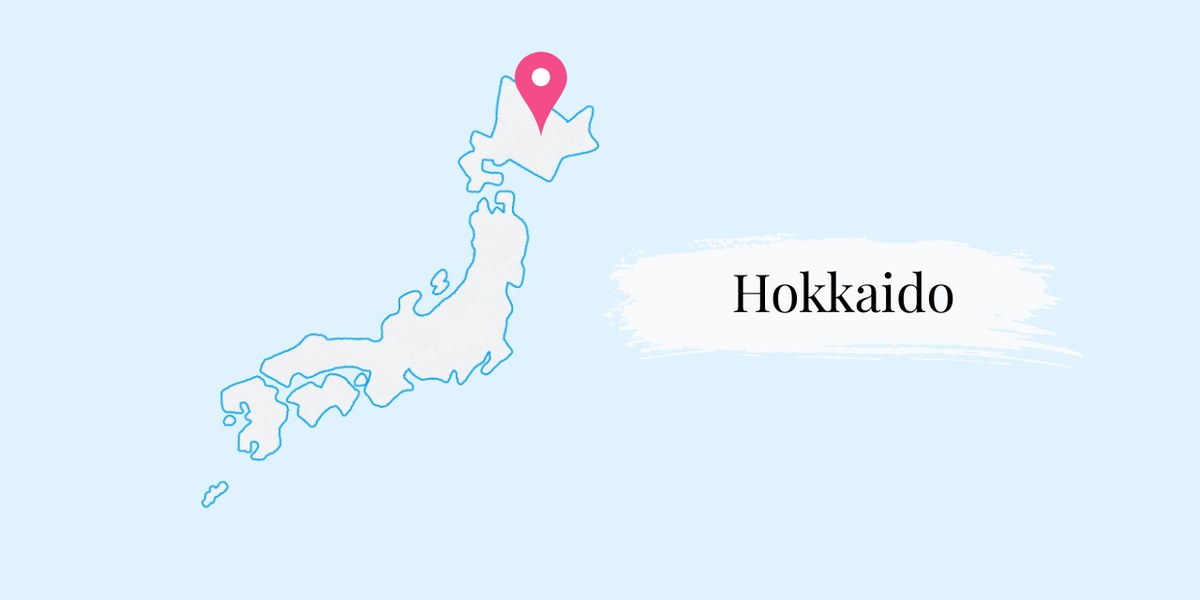
Hokkaido gets the first colours in Japan, but there is a big difference between the mountains and the cities. The highest spots around Daisetsuzan can start turning in September, while places like Sounkyo and Jozankei follow through October. By the time the colour reaches Sapporo, you're looking at early November. The first 2026 JMC (Japan Meteorological Corporation) forecast puts Sapporo's red foliage around November 7, noticeably later than the usual date.
If you're travelling in early October, go higher rather than further south. This is one of the best parts of Japan for catching the season at its beginning.
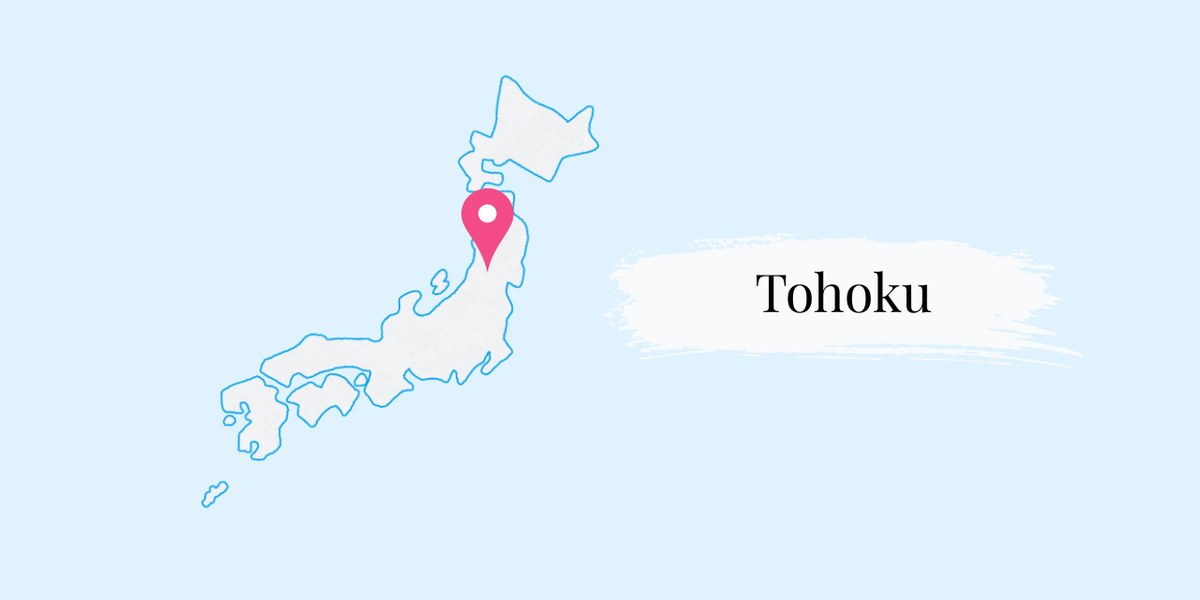
Tohoku follows Hokkaido, but timing varies a lot depending on elevation. Mountain areas can turn from mid-October, while lower areas come later. Naruko Gorge and Oirase Gorge are good examples of why this region works so well for autumn. You get the colour in the mountains before it reaches the cities.
For 2026, JMC's first forecast puts Aomori's red foliage around November 13 and Sendai around November 25, so the northern and higher parts of Tohoku are a much better bet if you're travelling earlier in the season.
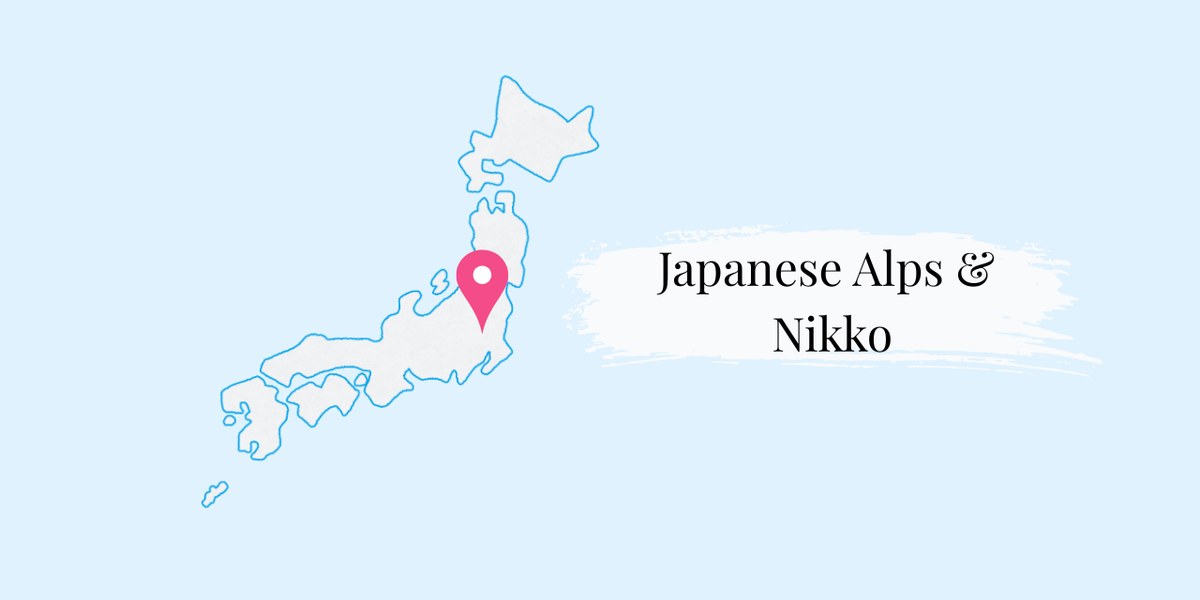
This is where elevation starts doing the work for you. Higher parts of the Japanese Alps can turn in early October, while lower areas follow later. Kamikochi is one of the classic early-season spots, while Nikko gives you a longer window because the colour moves from the mountains down towards the town.
The useful thing here is that you don't have to wait until November to get that classic red-and-gold Japan look. If you're travelling in October, this is one of the regions I'd look at before Tokyo or Kyoto. JMC's 2026 forecast also shows Nagano's red foliage later than average, around November 21 at the city level, which shows just how different mountain and lowland timing can be.
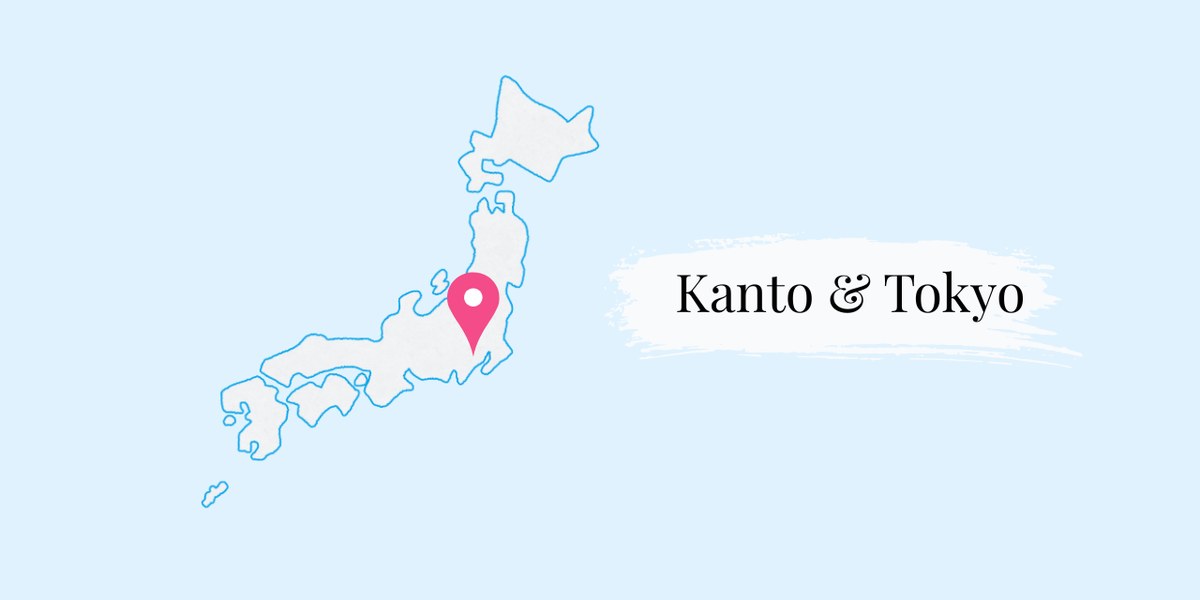
This is where the usual Japan in October advice starts to fall apart. Tokyo's autumn colour comes much later than Hokkaido's, and the best window is generally late November into early December.
For 2026, JMC forecasts red maple foliage in Tokyo around November 29, with ginkgo turning yellow slightly earlier, around November 26.
So if Tokyo is the main reason you're going, November makes much more sense than October if autumn colour is high on your list.
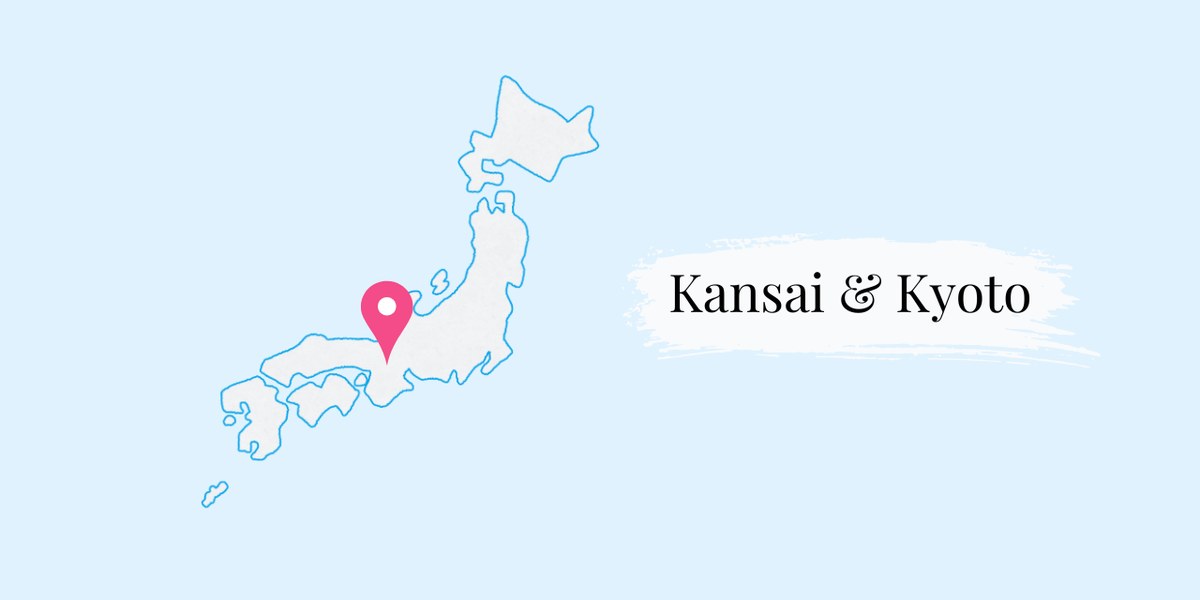
Kyoto is the classic choice, but it's also one of the easiest places to get the timing wrong. The season generally starts in November, with the famous temple gardens getting their best colour later in the month and into early December.
Eikan-dō and Tōfuku-ji are among the places people usually have in mind when they picture Kyoto in autumn, but don't assume that being there in early November means you'll see the full display.
In the first 2026 JMC forecast, Kyoto's red foliage is projected around December 11, while yellow ginkgo is expected around November 27. The exact timing will vary by location and weather, so this is one of those trips where checking the latest forecast really matters.
And yes, this is one of the busiest times of year to visit Kyoto, so accommodation is worth booking well ahead.
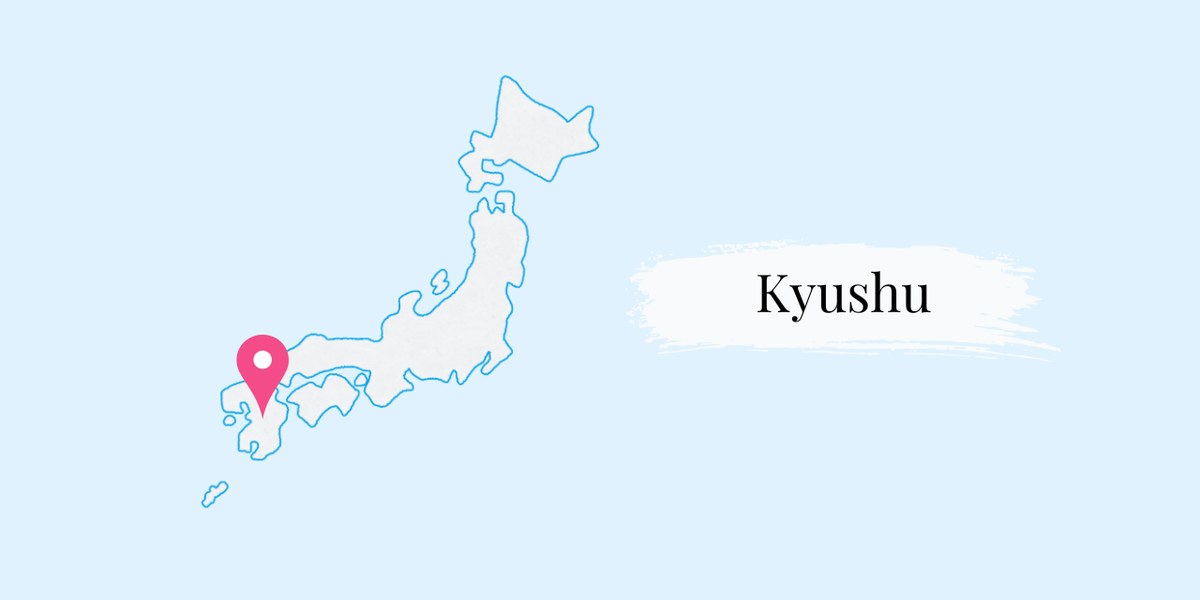
If you're travelling later in the season, don't assume you've missed autumn. The foliage simply arrives later in the south.
Fukuoka's red foliage is forecast for around December 7 in 2026, while Kagoshima is around December 10. Higher elevations can turn earlier, so there is still plenty of variation within the region.
Kyushu is a good option if your trip runs into December and you still want some autumn colour without chasing it back north.
Going in October?
Look north or up. Hokkaido, Tohoku, the Japanese Alps and higher parts of Nikko give you the best chance of catching the season.
Going in late November?
This is Tokyo and Kyoto territory, although the exact timing can shift considerably from one year to another.
Going in early December?
Kyoto, Osaka and Kyushu can still be very much in season. In fact, the first 2026 forecast puts Kyoto's red foliage around December 11.